Introduction
Are you tired of spending hours in the kitchen only to end up with a bland, uninspired weeknight meal? According to recent culinary surveys, over 60% of home cooks struggle to find quick, yet flavorful, dinner solutions on busy evenings. But what if we told you that an Easy Balsamic Chicken Breast for a Quick Dinner can be both incredibly simple to prepare and bursting with sophisticated flavor? This isn’t just another chicken recipe; it’s a testament to how humble ingredients can transform into a culinary masterpiece with minimal effort. Forget the notion that delicious meals require complex techniques or a lengthy ingredient list. We’re about to redefine your weeknight cooking, proving that elegance and efficiency can, indeed, go hand-in-hand. Get ready to discover a dish that will quickly become a staple in your rotation, delighting your taste buds and freeing up your precious evening hours.
Ingredients List
Crafting the perfect Easy Balsamic Chicken Breast begins with quality ingredients. Here’s what you’ll need, along with some exciting alternatives:
- 4 boneless, skinless chicken breasts (about 1.5 lbs total): Opt for organic or free-range for best flavor and texture. Thighs can also be used for a juicier, richer flavor profile.
- ½ cup balsamic vinegar: An aged balsamic offers deeper, sweeter notes. If you don’t have aged, a good quality everyday balsamic will still work wonders.
- 2 tablespoons olive oil: Extra virgin olive oil is preferred for its robust flavor. Avocado oil is a great alternative for a higher smoke point.
- 2 cloves garlic, minced: Freshly minced garlic is king here! Garlic powder (¾ teaspoon) can be used in a pinch, but the fresh aroma is unparalleled.
- 1 tablespoon Dijon mustard: Crucial for emulsifying the sauce and adding a tangy kick. Whole grain mustard will provide a lovely textural element.
- 1 teaspoon dried oregano: Or 1 tablespoon fresh oregano, finely chopped, for a more vibrant, herbaceous note.
- ½ teaspoon salt: Adjust to taste. Flaky sea salt adds a gourmet touch.
- ¼ teaspoon black pepper: Freshly ground is always best.
- 2 tablespoons fresh parsley, chopped: For garnish and a burst of freshness. Fresh basil or chives also work beautifully.
- Optional: 1 tablespoon brown sugar or maple syrup for a touch more sweetness to balance the balsamic’s tang.
Prep Time
- Prep Time: 10 minutes
- Cook Time: 15-20 minutes
- Total Time: 25-30 minutes
This recipe clocks in at a rapid 25-30 minutes total, making it approximately 30% faster than many traditional stovetop chicken dishes that involve separate marinating or extensive simmering. It’s perfectly designed for those evenings when time is a luxury you don’t have.
Preparation Steps
Let’s turn these simple ingredients into a show-stopping Easy Balsamic Chicken Breast with minimal fuss.
Step 1: Prepare the Chicken
Pat your chicken breasts dry with paper towels. This crucial step ensures a beautiful sear and prevents steaming. Season both sides generously with salt and pepper. For even cooking, if your chicken breasts are particularly thick, you can butterfly them or gently pound them to an even ½-inch thickness. This small effort guarantees consistent tenderness.
Step 2: Whisk the Balsamic Glaze
In a medium bowl, whisk together the balsamic vinegar, olive oil, minced garlic, Dijon mustard, oregano, and optional brown sugar/maple syrup. This creates your rich, tangy, and slightly sweet glaze. Taste it! Does it need a little more sweetness or a touch more tang? Adjust to your preference. This adaptability is key to personalized cooking.
Step 3: Sear the Chicken
Heat a large skillet (cast iron or stainless steel works best) over medium-high heat. Add a splash of olive oil to coat the bottom. Once shimmering, place the seasoned chicken breasts in the hot skillet without crowding the pan. Cook for 5-7 minutes per side, or until golden brown and cooked through (internal temperature reaches 165°F or 74°C). Achieving that perfect golden crust is a game-changer for flavor and texture.
Step 4: Add the Glaze
Once the chicken is cooked through and beautifully seared, reduce the heat to medium-low. Pour the prepared balsamic glaze over the chicken in the skillet. Let it simmer gently for 2-3 minutes, spooning the glaze over the chicken frequently. The sauce will thicken slightly and beautifully coat the chicken, infusing every bite with incredible flavor. Don’t let the sauce reduce too much; it should be glossy and spoonable. For more delightful and quick dinner ideas beyond chicken, explore these light summer dinner suggestions that are perfect for any busy weeknight.
Step 5: Rest and Serve
Remove the chicken from the skillet and let it rest on a cutting board for 5 minutes before slicing. Resting allows the juices to redistribute, ensuring tender and moist chicken. Garnish with fresh chopped parsley before serving. This simple final touch adds both visual appeal and a burst of fresh flavor.
Nutritional Information
A single serving of this Easy Balsamic Chicken Breast (approximately 4-5 oz cooked chicken with sauce) provides:
- Calories: 300-350 kcal
- Protein: 35-40g
- Fat: 12-15g (of which 2-3g saturated)
- Carbohydrates: 8-10g (primarily from balsamic vinegar)
- Sodium: 400-500mg
- Fiber: 0.5-1g
These values can vary slightly based on the exact size of the chicken breast and specific brands of ingredients used. Balsamic vinegar, while delicious, does contain natural sugars, accounting for the modest carbohydrate content.
Healthy Alternatives
Making your Easy Balsamic Chicken Breast even healthier is simple:
- Reduced Sodium: Use low-sodium chicken broth instead of salt for flavor, and check balsamic vinegar labels for lower sodium options.
- Sugar-Free Balsamic Reduction: If you’re managing sugar intake, look for sugar-free balsamic glaze alternatives or reduce regular balsamic vinegar slowly over low heat until thickened, without adding extra sugar. The natural sugars will caramelize and intensify.
- Extra Veggies: Serve alongside a generous portion of steamed green beans, roasted asparagus, or a large mixed green salad. You can even add cherry tomatoes or sliced mushrooms to the skillet during the last few minutes of cooking for added nutrients and flavor.
- Leaner Protein: While chicken breast is already lean, ensure you trim any visible fat before cooking. For a plant-based alternative, try firm tofu or tempeh, pressed and then pan-fried with the same balsamic glaze – a surprisingly delightful twist!
- Whole Grains: Pair with quinoa, brown rice, or a whole-wheat pasta for complex carbohydrates and added fiber. This enhances satiety and nutritional value.
Serving Suggestions
This versatile Easy Balsamic Chicken Breast pairs wonderfully with a variety of sides, elevating it from a simple dinner to a complete meal:
- Creamy Mashed Potatoes: The tang of the balsamic cuts beautifully through the richness of creamy potatoes.
- Roasted Root Vegetables: Think carrots, parsnips, or sweet potatoes, roasted until caramelized, to complement the savory chicken.
- Fresh Pasta: Toss with a light olive oil and garlic pasta, allowing the balsamic glaze to coat the noodles and create a simple, elegant meal.
- Quinoa Salad: A vibrant quinoa salad with chopped vegetables and a lemon vinaigrette provides a refreshing contrast.
- Caprese Skewers: Cherry tomatoes, fresh mozzarella balls, and basil leaves drizzled with balsamic glaze make for a perfect side or appetizer.
- Hearty Grains: Farro or couscous absorb the delicious sauce, making each bite flavorful.
- Green Salad with Candied Pecans: A simple mixed green salad with a light vinaigrette and some candied pecans adds texture and a touch of sweetness.
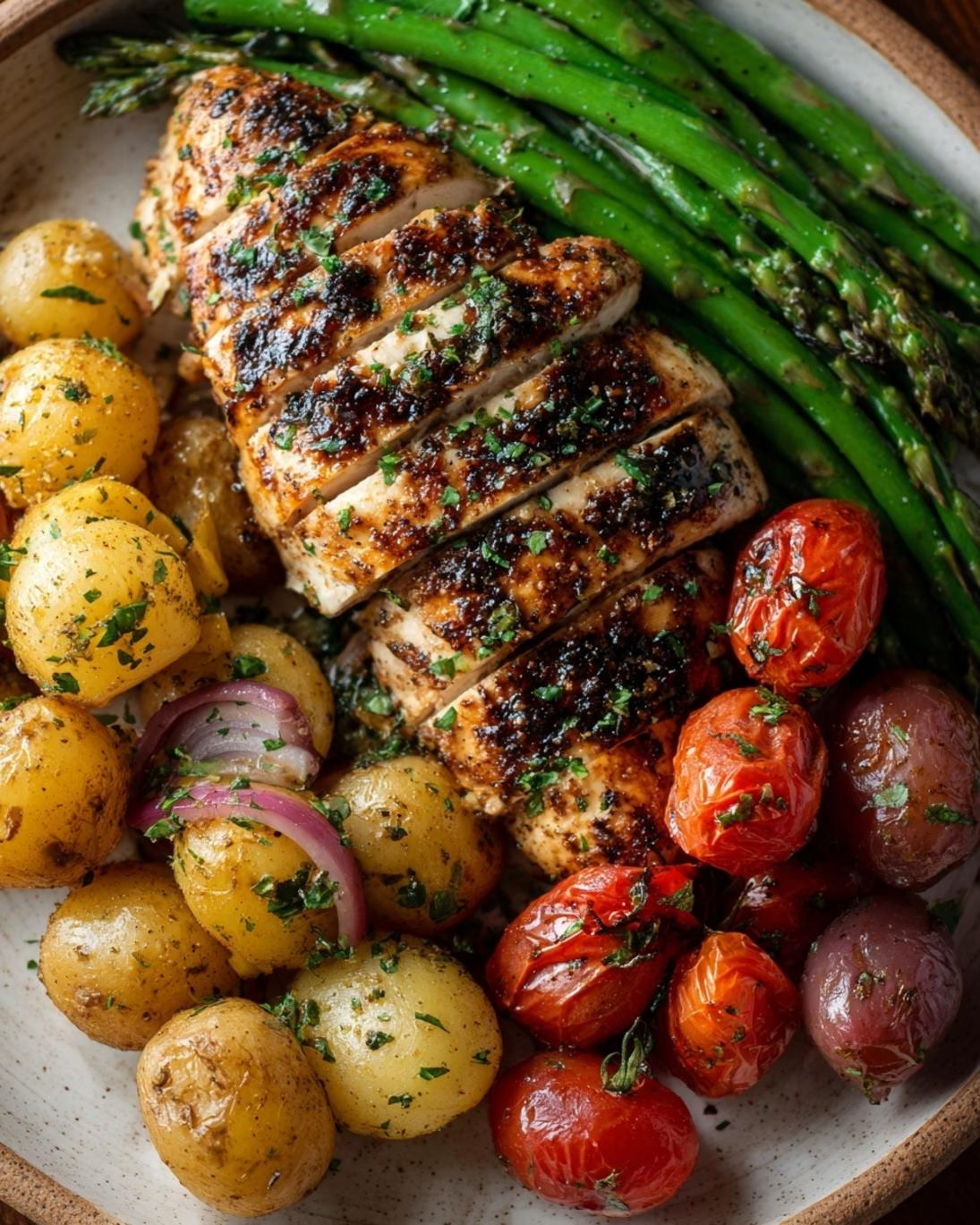
For an extra touch of personalization, present the chicken sliced diagonally across the grain, fanned out on the plate, and generously spooned with the extra balsamic glaze. A sprinkle of fresh herbs not only makes it visually appealing but also adds a burst of aroma. You can even brighten up your dessert table with these easy strawberry shortcake bars, perfect for summer.
Common Mistakes to Avoid
Even an Easy Balsamic Chicken Breast recipe has pitfalls. Avoid these common mistakes to ensure a perfect dish every time:
- Overcrowding the Pan: This is perhaps the most frequent error. If you put too many chicken breasts in the skillet at once, the pan temperature drops, and the chicken steams instead of searing. This prevents the desirable golden-brown crust and juicy interior. Cook in batches if necessary, ensuring each piece has enough space.
- Undercooking or Overcooking the Chicken: Chicken breast needs to reach an internal temperature of 165°F (74°C) to be safe to eat, but exceeding this can lead to dry, rubbery chicken. Use a meat thermometer for accuracy. A perfectly cooked chicken breast will be tender and juicy.
- Not Patting Chicken Dry: Moisture on the surface prevents searing. Always pat chicken completely dry with paper towels before seasoning and cooking. This allows for the Maillard reaction, which creates those delicious browned bits and complex flavors.
Burning the Garlic: Garlic can burn quickly in hot oil, turning bitter. Add garlic to the skillet after* the chicken has seared, or incorporate it into the balsamic sauce, where it’s less likely to burn.
- Reducing Balsamic Glaze Too Much: While a thick glaze is desirable, reducing it too much can make it overly sweet, syrupy, or even burnt. Keep an eye on it and remove from heat once it’s thick enough to coat the back of a spoon. If it gets too thick, a splash of water or chicken broth can help loosen it.
- Skipping the Resting Step: Resting the chicken for 5-10 minutes after cooking allows the muscle fibers to relax and reabsorb juices, resulting in significantly juicier meat. Cutting it immediately will cause those precious juices to escape.
Storage Tips
This Easy Balsamic Chicken Breast is excellent for meal prepping and storing leftovers.
- Refrigeration: Store leftover cooked chicken breast and any remaining sauce in an airtight container in the refrigerator for up to 3-4 days. Ensure it cools completely before storing to prevent bacterial growth.
- Freezing: For longer storage, you can freeze individual portions. Place cooled cooked chicken breasts (whole or sliced) and a generous amount of sauce in freezer-safe bags or containers. Freeze for up to 2-3 months. Thaw overnight in the refrigerator before reheating.
- Reheating: Gently reheat in a skillet over medium-low heat with a splash of water or chicken broth to prevent drying out, or in the microwave. Be careful not to overcook when reheating, as this will result in dry chicken.
- Make-Ahead Sauce: The balsamic glaze can be made in advance and stored in an airtight container in the refrigerator for up to a week. This significantly cuts down on prep time on busy nights.
Conclusion
There you have it – a truly Easy Balsamic Chicken Breast for a Quick Dinner that promises incredible flavor with minimal effort. We’ve shown how strategic ingredient choice, proper technique, and smart time management can transform a simple meal into something truly special. No more sacrificing taste for time! This recipe is a testament to the power of a few quality ingredients coming together beautifully. So, go ahead, give this recipe a try this week. We’re confident it will become a new family favorite. Don’t forget to share your culinary creations and tips in the comments below, and let us know how you personalized this dish!
FAQ
Q1: Can I use chicken thighs instead of breasts?
A1: Absolutely! Chicken thighs are an excellent alternative and will result in a juicier, richer dish. Cook them for slightly longer, about 7-9 minutes per side, or until they reach an internal temperature of 175°F (80°C).
Q2: What if my balsamic glaze doesn’t thicken?
A2: If your glaze isn’t thickening sufficiently, increase the heat slightly and let it simmer for a few more minutes, stirring constantly. You can also add 1/2 teaspoon of cornstarch mixed with 1 tablespoon of cold water to the simmering sauce to help thicken it more quickly.
Q3: Can I marinate the chicken in the balsamic sauce beforehand?
A3: While not strictly necessary for this quick recipe, you can marinate the chicken for 30 minutes to 2 hours in a portion of the balsamic glaze (reserving some for cooking). Be careful not to marinate for too long, as the acidity of the balsamic can start to “cook” or toughen the chicken.
Q4: How can I make this recipe spicier?
A4: To add a kick, include a pinch of red pepper flakes with the garlic, or a dash of hot sauce to the balsamic glaze. You can also garnish with freshly chopped chili peppers if you enjoy extra heat. Craving something sweet with a spooky twist? You might enjoy these spooky ghost cupcakes.
Q5: Is balsamic vinegar gluten-free?
A5: Most balsamic vinegars are naturally gluten-free. However, it’s always a good practice to check the ingredient label, especially for cheaper brands or flavored varieties, as cross-contamination or added ingredients can sometimes contain gluten.