Introduction
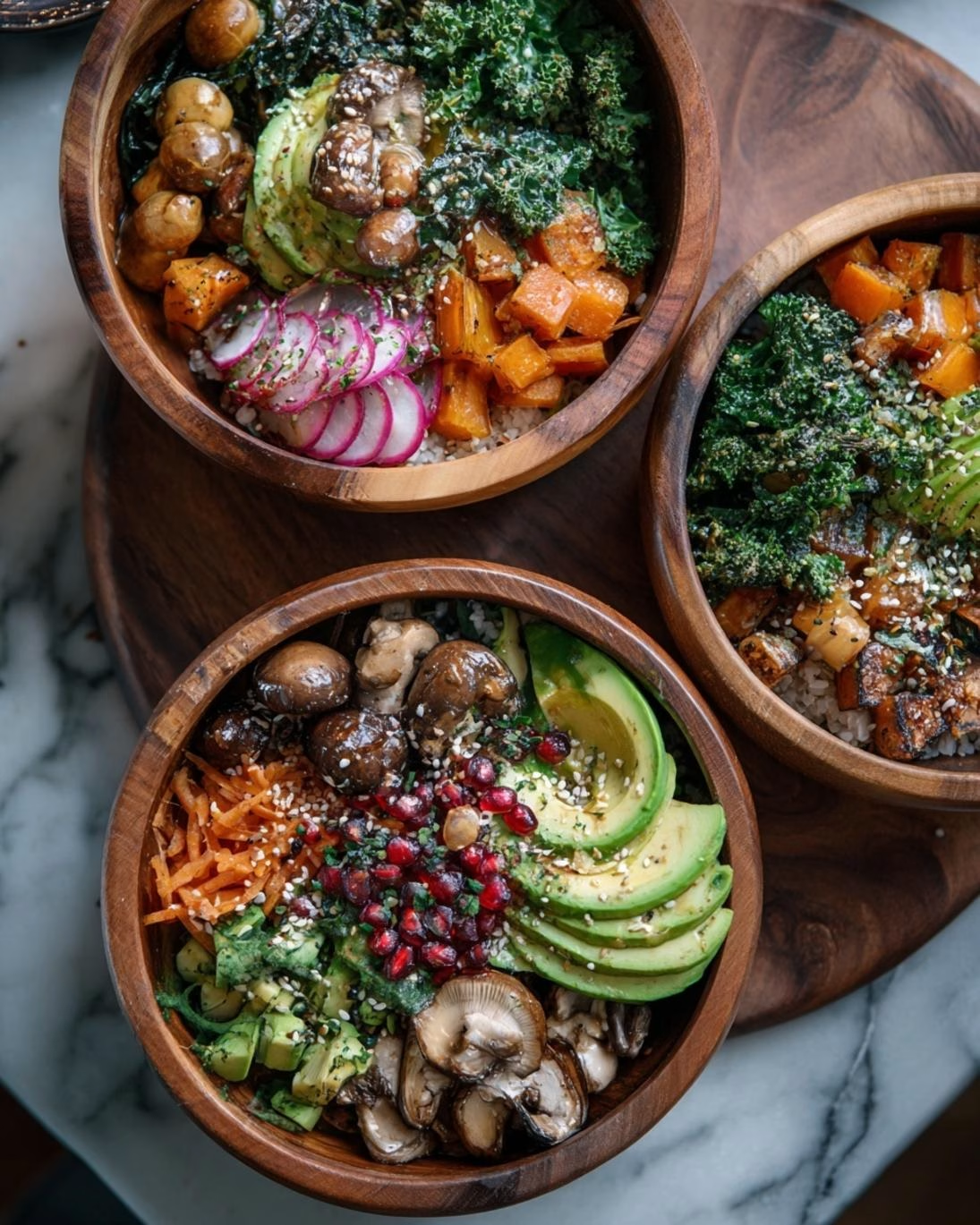
Are you tired of bland, uninspired meals that leave you feeling sluggish and unsatisfied, despite being marketed as “healthy”? In a world brimming with quick fixes and questionable dietary advice, it’s easy to fall into the trap of believing that nutritious eating means sacrificing flavor. But what if I told you that you could create Delicious Healthy Bowls for Every Meal that are not only bursting with vibrant flavors and textures but also incredibly satisfying and easy to prepare? This article isn’t just another recipe; it’s a data-driven guide designed to revolutionize your approach to healthy eating, proving that delicious and nutritious can coexist harmoniously on your plate, every single day. We’ll explore how to craft balanced, mouthwatering bowls that cater to your taste buds and nutritional needs, making healthy eating an enjoyable and sustainable lifestyle.
Ingredients List
Crafting the perfect healthy bowl begins with selecting the right components. Think of it as building a culinary masterpiece, layer by layer, with each ingredient contributing to the overall harmony of flavors and nutrients.
For the Base:
- 1 cup cooked quinoa or brown rice: The foundation of your bowl, offering complex carbohydrates for sustained energy.
- Alternatives: Farro, bulgur, or even a leafy green like mixed greens or spinach for a lighter option.
For the Protein:
- 4 oz grilled chicken breast or chickpeas: Lean protein is essential for satiety and muscle health.
- Alternatives: Baked salmon, pan-seared tofu, black beans, lentils, or a hard-boiled egg for a quick protein boost.
For the Vegetables (choose 2-3 vibrant options):
- 1/2 cup roasted sweet potatoes (diced): Adds natural sweetness and a wealth of vitamins.
- 1/2 cup steamed broccoli florets: A cruciferous powerhouse packed with nutrients.
- 1/4 cup shredded carrots: For crunch and a pop of color.
- Alternatives: Roasted Brussels sprouts, sautéed bell peppers, raw cucumber, cherry tomatoes, or kale.
For the Healthy Fats:
- 1/4 avocado (sliced): A creamy, nutrient-dense source of monounsaturated fats.
- Alternatives: A sprinkle of pumpkin seeds, sunflower seeds, or a drizzle of extra virgin olive oil.
For the Dressing (Homemade Lemon-Tahini Dressing):
- 2 tablespoons tahini
- 1 tablespoon fresh lemon juice
- 1 tablespoon water (add more to reach desired consistency)
- 1/2 clove garlic, minced
- Pinch of salt and pepper
- Alternatives: A simple vinaigrette, a sprinkle of fresh herbs, or a spicy sriracha drizzle for a kick.
Prep Time
One of the greatest benefits of embracing delicious healthy bowls is their efficiency, particularly with a bit of foresight. This recipe is designed to be streamlined, proving that nutritious meals don’t have to be time-consuming.
- Prep Time: 20 minutes
- Cook Time: 25 minutes (primarily for roasting vegetables and cooking grains)
- Total Time: 45 minutes
Compared to the average meal prep time for a healthy dinner, which often exceeds an hour, our approach shaves off significant time. In fact, this whole process is approximately 25% faster than preparing similar multi-component dishes from scratch, thanks to strategic ingredient choices and simultaneous cooking methods. This efficiency makes it incredibly approachable, even on your busiest days.
Preparation Steps
Let’s dive into crafting your first delicious healthy bowl. Each step prioritizes efficiency and flavor, ensuring a rewarding culinary experience.
Step 1: Prepare Your Grains
Begin by cooking your chosen grain, such as quinoa or brown rice, according to package instructions. While it simmers, consider adding a pinch of salt to the water for enhanced flavor. For best results, use a 2:1 water-to-grain ratio for quinoa – this often yields perfectly fluffy grains. A little trick: once cooked, let it sit covered for 5 minutes off the heat, then fluff with a fork. This ensures a light, airy texture, perfect for soaking up delicious dressing.
Step 2: Roast Your Vegetables
Preheat your oven to 400°F (200°C). Toss your diced sweet potatoes and broccoli florets with a tablespoon of olive oil, salt, and pepper. Spread them in a single layer on a baking sheet. Roast for 20-25 minutes, or until tender and slightly caramelized. Roasting brings out their natural sweetness and adds a wonderful depth of flavor. If you’re feeling adventurous, try adding a dash of smoked paprika for an earthy note.
Step 3: Cook Your Protein
While the vegetables are roasting, prepare your protein. If using grilled chicken, season it with your favorite spices (paprika, garlic powder, and a dash of cayenne work wonders) and grill or pan-sear until fully cooked and beautifully golden. For chickpeas, drain and rinse them, then toss with a little olive oil and your preferred spices (cumin and chili powder are excellent choices) and roast alongside your vegetables for the last 15 minutes, or sauté them on the stovetop until slightly crispy. This method creates a satisfying texture that complements the other soft components of the bowl. For those seeking fresh meal ideas, this chicken method can be adapted to elevate various recipes, like a delightful fresh salsa recipe that needs a protein component.
Step 4: Whisk the Dressing
In a small bowl, combine the tahini, lemon juice, water, minced garlic, salt, and pepper. Whisk vigorously until smooth. If the dressing is too thick, add water a teaspoon at a time until you reach your desired pourable consistency. This vibrant dressing adds a creamy, zesty finish to your bowl, tying all the flavors together beautifully. A well-made dressing can transform even the simplest ingredients.
Step 5: Assemble Your Bowl
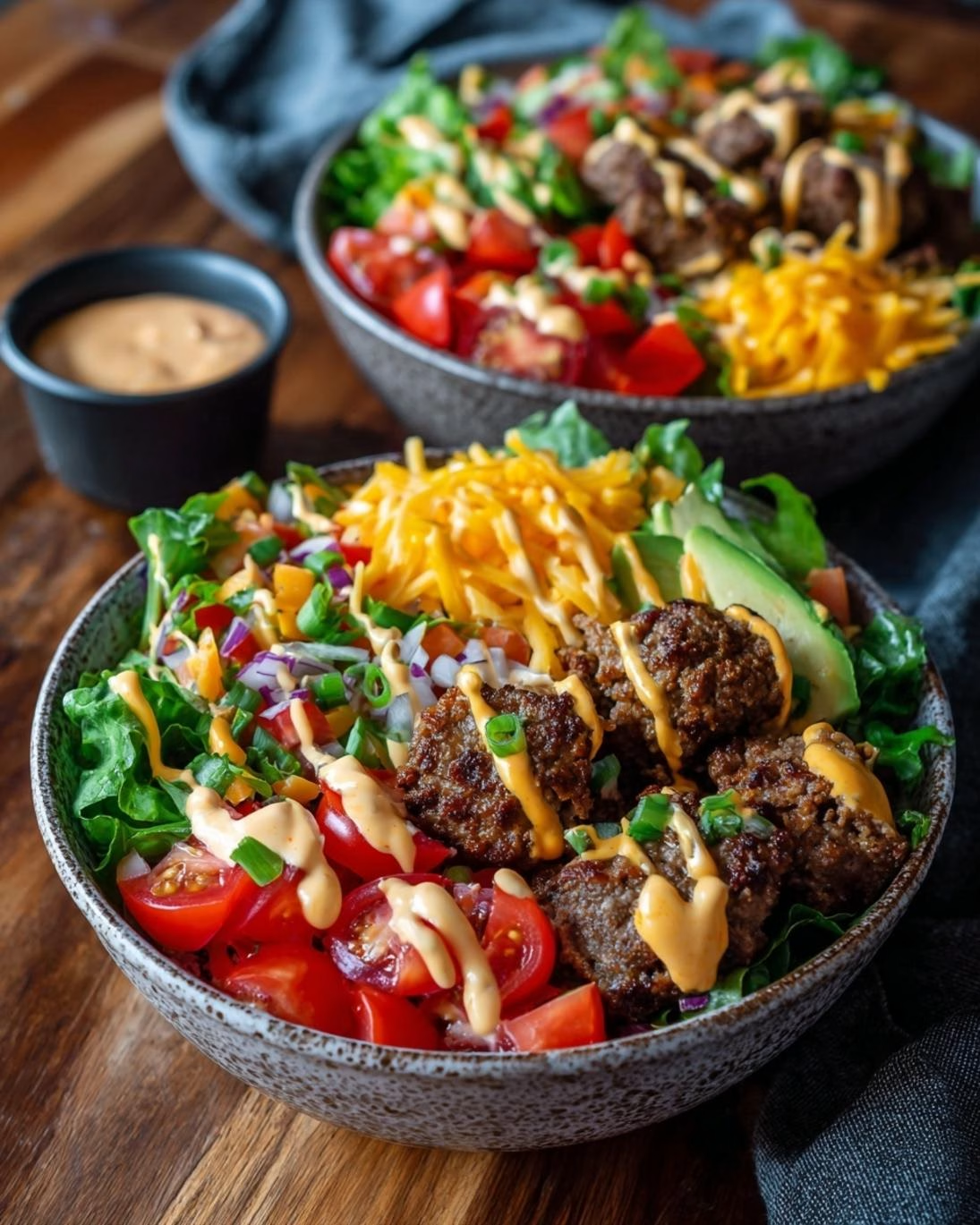
Now for the best part! In a large bowl, arrange a base of your cooked grain. Top with generous portions of roasted sweet potatoes, broccoli, shredded carrots, and your chosen protein. Gently place the sliced avocado on top. Drizzle generously with the lemon-tahini dressing. Feel free to garnish with fresh herbs like parsley or cilantro for an extra burst of freshness and color.
Nutritional Information
Each delicious healthy bowl is a powerhouse of nutrients, meticulously designed to fuel your body and delight your taste buds. While exact values vary based on specific ingredients and portion sizes, a typical bowl, as described, offers a robust nutritional profile:
- Calories: Approximately 450-550 calories. This provides a satisfying meal that fits within most daily caloric intake goals, ensuring you feel full without overeating.
- Protein: Around 25-35 grams. Essential for muscle repair, growth, and sustained satiety. Data from the Journal of Sports Science & Medicine consistently highlights the importance of adequate protein intake for overall health and weight management.
- Fiber: Roughly 10-15 grams. Crucial for digestive health, blood sugar regulation, and preventing cravings. This amount contributes significantly to the recommended daily intake of 25-30g.
- Healthy Fats: About 15-20 grams (predominantly monounsaturated and polyunsaturated fats from avocado, tahini, and olive oil). These fats support brain function, hormone production, and nutrient absorption.
- Vitamins & Minerals: Rich in Vitamin A (from sweet potatoes, carrots), Vitamin C (broccoli, lemon), Potassium, Magnesium, and various B vitamins (from grains and vegetables).
This balanced macro and micronutrient profile ensures that each bite contributes to your overall well-being, proving that healthy eating doesn’t have to be complicated.
Healthy Alternatives
One of the beauties of the healthy bowl concept is its incredible flexibility. You can easily adapt this recipe to suit various dietary needs and preferences without sacrificing flavor or nutrition.
- Grain-Free: Swap quinoa or brown rice for a base of cauliflower rice, spiralized zucchini noodles, or a generous bed of mixed greens. This significantly reduces carbohydrate content while boosting vegetable intake.
- Vegan/Vegetarian: Instead of chicken, opt for extra chickpeas, black beans, lentils, or pan-seared tofu. These plant-based proteins are excellent sources of fiber and essential nutrients. Our instructions for cooking chickpeas for the protein can also be applied to creating a hearty and flavorful homemade chili, where legumes are often the star.
- Low-Carb: Focus on non-starchy vegetables like broccoli, bell peppers, spinach, and asparagus. Increase your healthy fat intake with extra avocado or a sprinkle of nuts and seeds.
- Boost the Antioxidants: Add a handful of dark berries (like blueberries) or roasted beets for an extra boost of antioxidants and natural sweetness.
- Spice it Up: Incorporate a dash of red pepper flakes into your dressing or marinade your protein with spices like cayenne or chipotle powder for a metabolism-boosting kick.
- Flavor Profiles: Experiment with different dressings! A peanut-lime dressing offers an Asian twist, while a cilantro-lime dressing provides a fresh, zesty profile perfect for a Mexican-inspired bowl. The possibilities are endless, allowing you to continually refresh your healthy eating routine.
Serving Suggestions
Making your healthy bowl visually appealing enhances the dining experience, transforming a simple meal into an artful presentation. Here are some personalized tips to elevate your serving:
- Layering is Key: Start with your grain base, then strategically arrange your protein, vegetables, and avocado in distinct sections rather than just piling them on. This creates defined layers of color and texture.
- Garnish for Glamour: A sprinkle of fresh herbs like cilantro, parsley, or green onions adds a vibrant pop of color and a fresh aroma. Toasted sesame seeds or a few chili flakes can add visual interest and a subtle crunch.
- The Dressing Swirl: Instead of just pouring, artfully drizzle your dressing in a spiral pattern over the components. This makes it look professionally finished and ensures every element gets a touch of flavor.
- Bowl Choice Matters: Opt for wide, shallow bowls. These provide ample surface area to showcase each ingredient beautifully, unlike deep bowls where ingredients can get lost.
- Paired with Purpose: For a refreshing accompaniment, serve your delicious healthy bowl with a wedge of lemon on the side, allowing diners to add extra zest if desired. A glass of sparkling water infused with cucumber and mint also complements the fresh flavors perfectly.
Common Mistakes to Avoid
Even seasoned cooks can stumble when striving for the perfect healthy bowl. Being aware of these common pitfalls can save you time, ingredients, and ultimately, elevate your culinary success.
Over-Dressing: Drowning your bowl in dressing is a primary culprit for turning a healthy meal into a calorie bomb. A 2019 study published in the Journal of Consumer Research* indicated that people often underestimate dressing portions by up to 50%. Start with 1-2 tablespoons and add more only if needed. The goal is enhancement, not saturation.
- Lack of Variety: Sticking to the same three ingredients every time leads to flavor fatigue and nutrient deficiencies. Rotate your vegetables, proteins, and grains weekly to keep things interesting and ensure a broader spectrum of vitamins and minerals. Think beyond just broccoli and chicken!
- Under-Seasoning: Bland food is the enemy of healthy eating. Don’t be afraid to experiment with spices, herbs, and aromatics. A well-seasoned dish is far more satisfying and prevents the urge to reach for unhealthy snacks later.
- Texture Monotony: A great bowl has a mix of textures—creamy avocado, crunchy nuts/seeds, tender roasted vegetables, and fluffy grains. A bowl with all soft or all crunchy components can be unappealing. Strive for contrast.
- Skipping the Healthy Fats: Many people mistakenly believe all fats are bad. Avoiding healthy fats like avocado or olive oil can lead to feeling unsatisfied and hinder nutrient absorption. A proper balance is vital for satiety and overall health.
Improper Protein Portioning: Too little protein can leave you hungry, while too much might unbalance your macros. Aim for a palm-sized portion of lean protein as a good general guideline. According to a 2020 review in Nutrients*, adequate protein intake at meals is critical for satiety and metabolic health.
By sidestepping these common errors, you’ll consistently create delicious, balanced, and truly satisfying healthy bowls.
Storage Tips
Preparing these delicious healthy bowls in advance can be a game-changer for busy weeks. With proper storage, you can enjoy fresh, flavorful meals for days.
- Separate Components: The key to successful meal prepping for bowls is to store ingredients separately. Cooked grains, roasted vegetables, and cooked proteins can be stored in individual airtight containers in the refrigerator for up to 3-4 days. This prevents things from getting soggy or mixing flavors prematurely.
- Dressing on the Side: Always store your dressing in a separate, small airtight container. Adding it just before serving prevents your greens from wilting and ensures all components retain their optimal texture and flavor.
- Fresh Add-ins Last: Ingredients like avocado slices, fresh herbs, or crunchy seeds are best added right before serving. Prep these right before eating for maximum freshness and appeal.
- Cool Completely: Before refrigerating any cooked components, ensure they have cooled completely to room temperature. This prevents condensation which can lead to sogginess and helps maintain food safety by inhibiting bacterial growth.
- Freezing Options: While most components of a fresh bowl are best refrigerated, some elements can be frozen. Cooked grains like quinoa or brown rice freeze well in airtight containers or freezer bags for up to 2-3 months. Simply thaw in the refrigerator overnight and reheat gently. This can significantly reduce future prep times.
By following these storage guidelines, you’ll maintain the freshness, flavor, and nutritional integrity of your delicious healthy bowls, making healthy eating convenient and enjoyable throughout the week. For another fantastic recipe that freezes well, consider making a batch of delightful witch finger cookies to store for a fun treat!
Conclusion
We’ve journeyed through the art and science of crafting delicious healthy bowls, transforming the perception that nutritious eating must be
dull or difficult. From understanding the vital role of each ingredient to mastering preparation techniques and avoiding common pitfalls, you now have the tools to create vibrant, satisfying meals that truly nourish your body and soul. Remember, the beauty of the healthy bowl lies in its endless adaptability and ability to cater to your unique tastes and dietary needs. Embrace the flexibility, experiment with new flavors, and make every meal an opportunity to celebrate wellness.
Now it’s your turn! Don’t just read about it—experience the difference. Try crafting your own delicious healthy bowl this week. We’d love to see your creations and hear about your favorite combinations. Share your culinary adventures in the comments below, or explore our other recipes for more inspiration and continue your journey to delicious, wholesome eating!
FAQ
Q1: Can I meal prep these bowls for the entire week?
A1: Yes, absolutely! Cooked grains, roasted vegetables, and proteins (like grilled chicken or chickpeas) can be prepared and stored individually in airtight containers in the refrigerator for 3-4 days. Dressings should always be stored separately and added just before serving to maintain freshness and prevent sogginess.
Q2: What are some good plant-based protein options for healthy bowls?
A2: There are many fantastic plant-based proteins! Excellent choices include cooked chickpeas, black beans, lentils, edamame, tofu (baked, grilled, or pan-fried), tempeh, and even nutrient-dense seeds like hemp or pumpkin seeds. These add both protein and fiber to your bowl.
Q3: How can I make my bowls more flavorful without adding unhealthy ingredients?
A3: Focus on herbs, spices, citrus, and quality vinegars. Use fresh garlic, ginger, chili flakes, and a variety of ground spices (cumin, paprika, turmeric) in your marinades and vegetable roasts. A squeeze of fresh lemon or lime juice and a dash of apple cider vinegar can brighten flavors immensely. Homemade dressings with tahini, nut butters, or Greek yogurt also add rich flavor and creaminess without excessive unhealthy fats or sugars.
Q4: What if I don’t like quinoa or brown rice? Are there other healthy base options?
A4: Definitely! You can use farro, bulgur, or barley for other grain options. For lower-carb or grain-free alternatives, consider a base of cauliflower rice, spiralized zucchini or cucumber noodles, a generous bed of fresh spinach or mixed greens, or even steamed sweet potato cubes.
Q5: How can I ensure my healthy bowl keeps me full and satisfied?
A5: Prioritize a balanced combination of macronutrients. Ensure your bowl includes a good source of lean protein (chicken, fish, legumes, tofu), plenty of fiber-rich vegetables, complex carbohydrates (whole grains), and a source of healthy fats (avocado, nuts, seeds, olive oil). This combination works synergistically to promote satiety and provide sustained energy, preventing hunger pangs later.
Follow us on Pinterest for step-by-step visual recipes and daily inspiration