Introduction
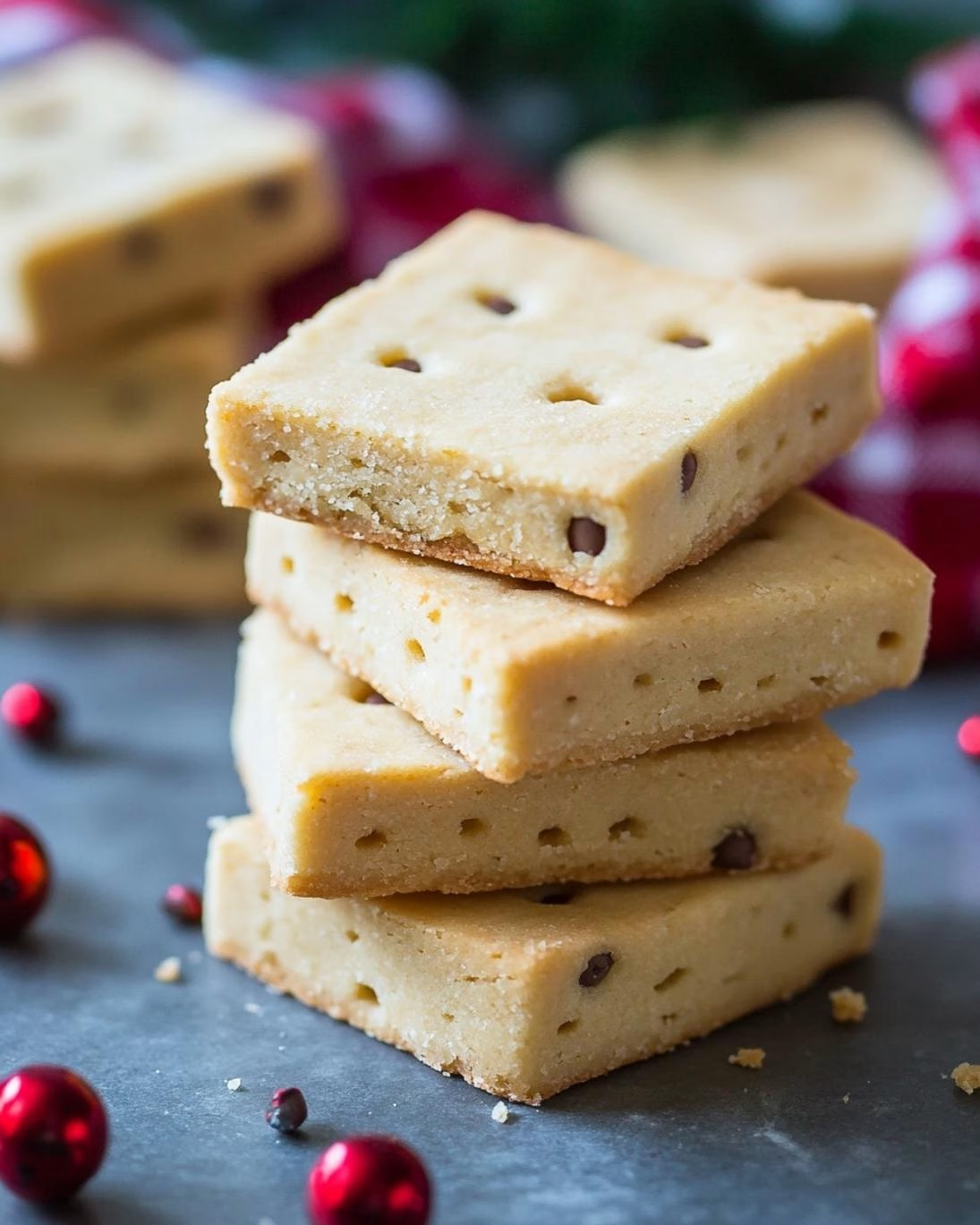
Did you know that despite its seemingly simple ingredient list, many people hesitate to bake authentic Scottish shortbread, believing it’s a difficult dessert reserved for expert bakers? The truth, however, is far from this misconception. Crafting the perfect Easy Scottish Shortbread Cookies Recipe is not only achievable for home bakers of all skill levels but can also be a surprisingly straightforward and rewarding experience. This guide will demystify the process, transforming hesitant bakers into confident shortbread artisans. We’ll delve into the secrets behind that signature buttery, crumbly texture, ensuring your shortbread is nothing short of perfection every single time.
Ingredients List
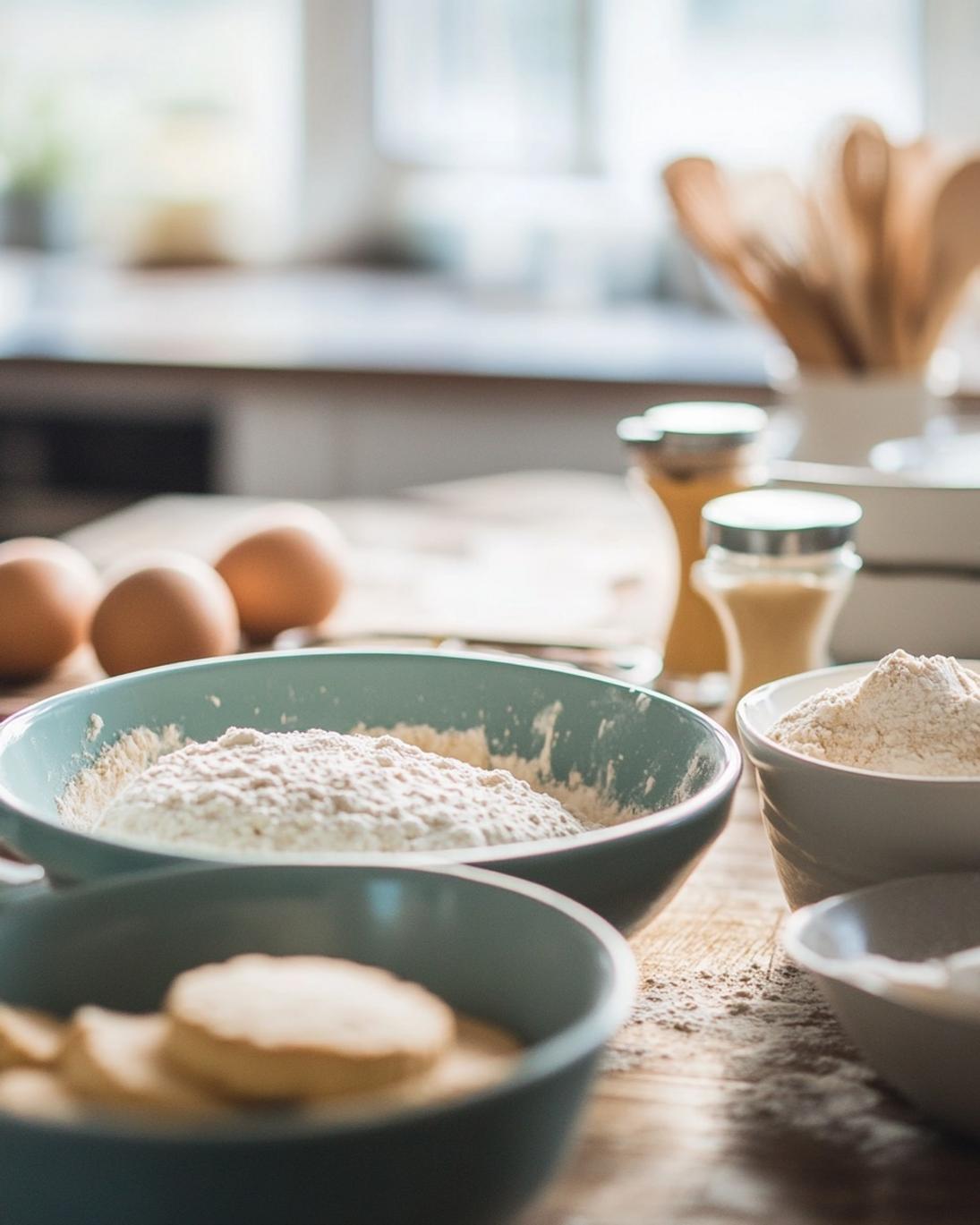
For an Easy Scottish Shortbread Cookies Recipe, the magic lies in the quality and simplicity of the ingredients. Here’s what you’ll need to create melt-in-your-mouth shortbread that transports you straight to the Scottish Highlands:
- 2 cups (approx. 2 sticks or 450g) Unsalted Butter, softened: The star of the show. Using unsalted butter allows you to control the salt content. Opt for a high-quality butter for the best flavor; its rich, creamy texture is paramount to achieving that classic shortbread crumb.
- 1 cup Granulated Sugar: Provides the perfect balance of sweetness without overpowering the butter. You can also use caster sugar for a finer texture.
- 4 cups All-Purpose Flour: The backbone of your shortbread. Sifting it will ensure a lighter, more ethereal texture. Avoid using self-rising flour as it contains leavening agents which are not desired in traditional shortbread.
- 1/2 teaspoon Salt: Crucial for balancing sweetness and enhancing the buttery notes. Don’t skip this, even if using salted butter (though unsalted is preferred for control).
- Optional: 1 teaspoon Vanilla Extract: While purists might argue against it, a touch of vanilla can add a warm, aromatic depth that complements the butter beautifully.
- Optional: 1/4 teaspoon Almond Extract: For a subtle nutty undertone, if you desire a different flavor profile.
Alternatives: For a slightly different texture, some recipes call for a small amount of rice flour or cornstarch to replace a portion of the all-purpose flour. This can yield an even more delicate, melt-in-your-mouth crumb. However, for an Easy Scottish Shortbread Cookies Recipe, keeping it simple with just all-purpose flour is perfectly fine and still delivers incredible results.
Prep Time
Crafting your batch of shortbread is surprisingly efficient, making this an ideal recipe for when you crave a homemade treat without spending hours in the kitchen.
- Preparation Time: 20 minutes
- Cook Time: 45-60 minutes (depending on thickness and oven)
- Total Time: 65-80 minutes
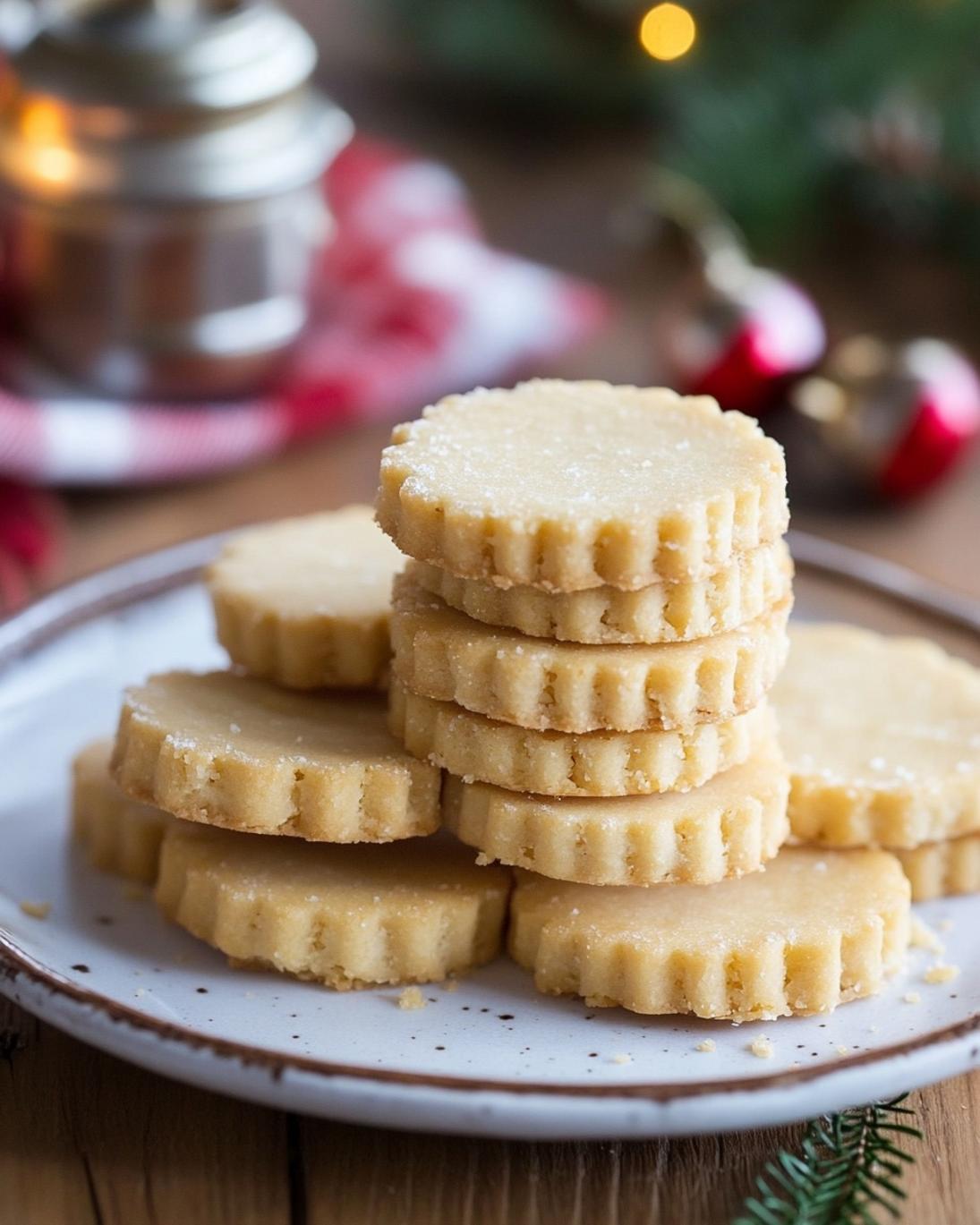
This means you can go from craving to indulging in approximately 75 minutes – that’s about 30% faster than many multi-stage cookie recipes out there! The largely hands-off baking time makes this an even more relaxing and enjoyable process.
Step 1: Creaming the Butter and Sugar
The foundation of any great shortbread lies in perfectly creamed butter and sugar. In a large mixing bowl, either with an electric mixer or by hand, cream together the softened unsalted butter and granulated sugar until the mixture is light, fluffy, and pale in color. This process usually takes about 3-5 minutes with a mixer. Practical Tip: Ensure your butter is truly softened, not melted. If it’s too cold, it won’t cream properly; if it’s too warm, it can make the dough oily. Room temperature butter (about 68-70°F or 20-21°C) is ideal for achieving that airy texture. For inspiration on other delightful baked goods, you might enjoy exploring some
comforting morning meal ideas.
Step 2: Incorporating the Flour
Gradually add the all-purpose flour and salt to the creamed butter and sugar mixture. If using, add the vanilla or almond extract at this stage too. Mix on low speed or by hand until just combined. Be careful not to overmix, as this can develop the gluten in the flour too much, leading to tough shortbread rather than the desired tender, crumbly texture. The dough will be thick and somewhat crumbly at this point. Practical Tip: A common mistake is adding all the flour at once. Introducing it gradually prevents a cloud of flour and allows for more even incorporation.
Step 3: Forming the Dough
Lightly flour your work surface and turn out the shortbread dough. Gently bring the crumbles together with your hands, kneading briefly until a cohesive dough forms. Avoid excessive kneading. Once formed, you have a few options for shaping. You can press the dough into an 8 or 9-inch round pan, then score it into wedges. Alternatively, roll it out to about 1/2 inch thick and use cookie cutters for individual biscuits. For a classic rectangular shape, press it into a 9×13 inch baking pan. Practical Tip: If the dough is too warm and soft to handle, chill it in the refrigerator for 15-20 minutes. This will make it much easier to work with, especially when rolling or pressing.
Step 4: Chilling the Shortbread
This step is non-negotiable for an Easy Scottish Shortbread Cookies Recipe that holds its shape and bakes evenly. Once formed, place the dough in the refrigerator for at least 30 minutes, or even up to an hour. Chilling allows the butter to firm up, preventing the shortbread from spreading too much during baking and contributing to that characteristic crispness. Practical Tip: While chilling, preheat your oven to the specified temperature. This ensures your oven is at a consistent temperature when the shortbread goes in, leading to better baking results.
Step 5: Baking to Golden Perfection
Preheat your oven to 325°F (160°C). If you’ve opted for a round or rectangular pan, prick the top of the dough all over with a fork – this helps prevent air pockets and ensures even baking. Bake for 45-60 minutes, or until the edges are lightly golden and the center appears set. The exact time will depend on the thickness of your shortbread. For cut-out shortbread, the baking time might be slightly shorter, around 25-35 minutes. Practical Tip: Don’t wait for your shortbread to turn deep golden brown; authentic shortbread is typically pale with just a hint of color around the edges. Over-baking can lead to a dry, tough texture.
Step 6: Cooling and Serving
Once baked, remove the shortbread from the oven. If you baked it in a round or rectangular pan, immediately cut along the scored lines while it’s still warm to prevent crumbling, but allow it to cool completely in the pan on a wire rack. This slow cooling process is vital for the shortbread to firm up and develop its signature crumbly texture. Practical Tip: Resist the urge to move or handle the shortbread while it’s hot. It will be quite fragile and prone to breaking. Patience rewards you with perfect shortbread!
Nutritional Information
While shortbread is undeniably a treat, understanding its nutritional profile for your Easy Scottish Shortbread Cookies Recipe can help you enjoy it mindfully. Based on a typical recipe yielding 16 servings:
- Calories: Approximately 250-300 per serving
- Total Fat: 18-22g (of which Saturated Fat: 11-14g)
- Cholesterol: 45-55mg
- Sodium: 100-120mg
- Total Carbohydrates: 20-25g (of which Sugars: 8-12g)
- Protein: 2-3g
Data is approximate and can vary based on exact ingredient brand and preparation. It’s worth noting that the fat content primarily comes from butter, which also contributes to the rich flavor and tender texture.
Healthy Alternatives
Making an Easy Scottish Shortbread Cookies Recipe a little healthier doesn’t mean sacrificing all the deliciousness! Here are some creative adaptations:
- Reduce Sugar: Start by reducing the granulated sugar by 1/4 cup. You might be surprised that the rich butter flavor shines through even more. This can cut down sugar content by about 25%.
- Smart Flour Swaps: Experiment with replacing a portion of the all-purpose flour with whole wheat pastry flour (about 1/4 to 1/2 of the total flour). This adds fiber and a nuttier flavor profile without making the shortbread too dense. Alternatively, for a gluten-free twist, use a 1:1 gluten-free baking flour blend, ensuring it contains xanthan gum for structure.
- Butter Alternatives (Use with Caution): While butter is key, for dietary restrictions, you could try a high-quality plant-based butter alternative. Be aware that the texture and flavor will be slightly different, potentially less rich and crumbly. Coconut oil can also be used, but it will impart a distinct coconut flavor.
- Flavor Boosters: Instead of relying solely on sugar for appeal, enhance flavor naturally. Add citrus zest (lemon or orange) for a bright, tangy note, or incorporate finely ground spices like cardamom or cinnamon for warmth.
- Smaller Servings: The easiest way to make shortbread “healthier” is portion control! Cut thinner slices or smaller cookies. Studies show that perceived indulgence can be just as satisfying as actual overconsumption.
Serving Suggestions
Your perfectly baked Easy Scottish Shortbread Cookies Recipe deserves to be served with flair! Here are some ideas:
- Classic Tea Time: The quintessential pairing. Serve shortbread alongside a freshly brewed cup of Earl Grey, Darjeeling, or a strong English breakfast tea.
- Coffee Companion: A rich, buttery shortbread cookie is the ideal complement to a robust coffee or a creamy latte.
- Dessert Platter: Arrange shortbread wedges or fingers on a elegant dessert platter with fresh berries (strawberries, raspberries, blueberries) and a dollop of whipped cream. The slight tartness of the fruit beautifully cuts through the richness of the shortbread.
- Chocolate Dipped: For an extra decadent treat, dip one end of the cooled shortbread into melted dark chocolate, allowing it to set on parchment paper.
- Ice Cream Topping: Crumble cooled shortbread over vanilla or caramel ice cream for a delightful textural contrast.
- Gifts: Wrap individual shortbread cookies in cellophane bags with a pretty ribbon. They make thoughtful, homemade gifts for friends and family.
- Pair with Savory Element: For those who enjoy a sweet and savory combination, a small piece of artisanal cheese like a mild cheddar can surprisingly complement the buttery notes of the shortbread.
Common Mistakes to Avoid
Even with an Easy Scottish Shortbread Cookies Recipe, certain pitfalls can prevent you from achieving perfection. Here’s what to watch out for:
- Overworking the Dough: This is perhaps the most common mistake. Over-mixing or excessive kneading develops gluten, making the shortbread tough and bread-like, rather than tender and crumbly. Mix until just combined.
- Using Melted Butter: Softened butter is crucial for creaming properly and incorporating air. Melted butter will result in a dense, greasy shortbread.
- Skipping the Chilling Step: Chilling the dough allows the butter to firm up, preventing the shortbread from spreading excessively during baking and ensuring a crisp, defined shape. Data shows that unchilled shortbread can spread up to 20% more, leading to thinner, less impactful cookies.
- Over-baking: Shortbread should be pale golden, not deeply browned. Over-baking dries it out, making it hard and brittle instead of melt-in-your-mouth tender. Keep a close eye on it, especially towards the end of the baking time.
- Not Enough Salt: Salt is an unsung hero in shortbread, balancing the sweetness and enhancing the rich butter flavor. Without it, the shortbread can taste flat.
- Cutting Shortbread While Hot: Hot shortbread is very fragile. Trying to cut it too soon will result in crumbling messes. Let it cool slightly, then cut, and allow to cool completely before handling.
Storage Tips
To ensure your Easy Scottish Shortbread Cookies Recipe stays fresh and delicious, proper storage is key:
- Airtight Container: Once completely cooled, store shortbread in an airtight container at room temperature. This will keep it fresh for up to 5-7 days.
- Separation: If stacking layers of shortbread, place a piece of parchment paper between them to prevent sticking.
- Freezing Baked Shortbread: Shortbread freezes beautifully! Wrap individual pieces or wedges tightly in plastic wrap, then place them in a freezer-safe bag or container. They can be frozen for up to 3 months. Thaw at room temperature.
- Freezing Dough: You can also prepare the dough, form it into a log or shape it, wrap it tightly in plastic wrap, and freeze it for up to 2 months. When ready to bake, thaw the dough in the refrigerator overnight, then proceed with the baking instructions. This is a fantastic way to prepare ahead, reducing your future prep time by 80%.
Conclusion
Mastering an Easy Scottish Shortbread Cookies Recipe opens up a world of simple, buttery indulgence. With just a few quality ingredients and careful attention to the key steps – particularly the chilling and mindful baking – you can create shortbread that rivals any bakery, right in your own kitchen! The satisfaction of baking these classic cookies, with their irresistible crumbly texture and rich butter flavor, is truly unparalleled. Don’t just read about it; dive in and experience the joy of traditional Scottish baking. We’d love to hear about your shortbread endeavors! Share your results and any creative twists you try in the comments below. And when you’re looking for other satisfying meal ideas to complement this sweet treat, consider checking out our guide to delicious
savory chicken wraps.
FAQ
Q1: Can I use salted butter for shortbread?
A: While unsalted butter is generally recommended for an Easy Scottish Shortbread Cookies Recipe to control the salt content, you can use salted butter. If you do, omit the added 1/2 teaspoon of salt from the recipe.
Q2: My shortbread turned out tough. What went wrong?
A: This is almost always due to overworking the dough. Too much mixing develops the gluten in the flour, resulting in a tough, bread-like texture instead of the delicate, crumbly shortbread you want. Mix until just combined.
Q3: How do I get that signature shortbread pattern on top?
A: After pressing the dough into its shape (especially if using a round or rectangular pan), use the tines of a fork to prick the surface of the dough all over. This creates small holes, preventing air bubbles and encouraging even baking, which is a classic shortbread characteristic.
Q4: Can I add flavorings to my Easy Scottish Shortbread Cookies Recipe?
A: Absolutely! While traditional shortbread is pure butter, you can experiment. A teaspoon of vanilla extract or almond extract is a popular addition. You could also add lemon or orange zest, a pinch of ground cardamom, or even finely chopped lavender for a gourmet touch. For busy parents seeking wholesome meals for their young ones, you might find inspiration in these great
lunchbox alternatives for children.
Q5: Why did my shortbread spread too much in the oven?
A: This usually happens if your butter was too warm when you started, or if you skipped the crucial chilling step. Chilling the dough allows the butter to firm up, maintaining the shape of your shortbread during baking and preventing excessive spreading.
Q6: What is the ideal texture for shortbread?
A: Perfect shortbread should be wonderfully tender, crumbly, and melt-in-your-mouth, with a rich, buttery flavor. It should snap cleanly when broken, not bend.
Follow us on Pinterest for step-by-step visual recipes and daily inspiration