Introduction
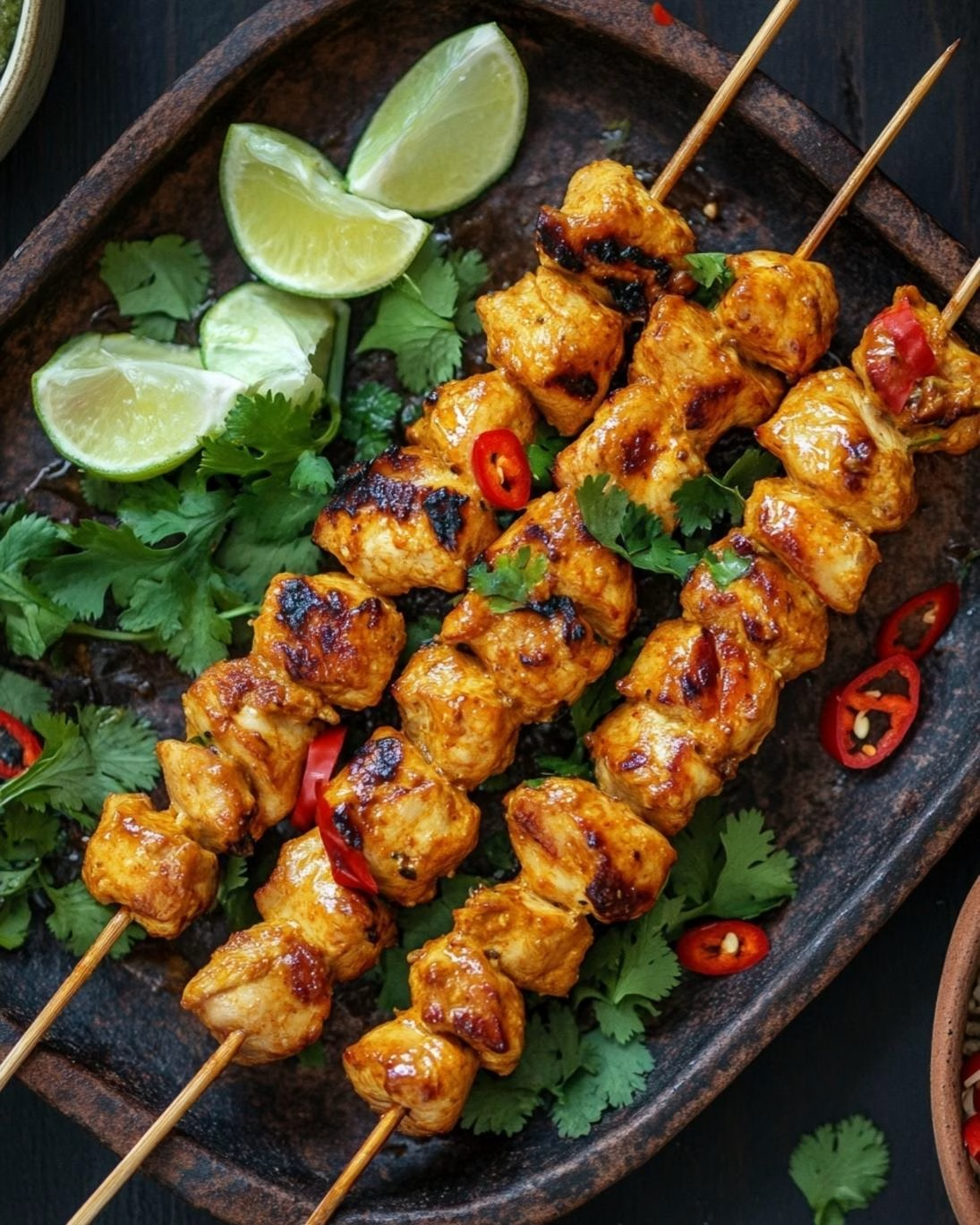
Did you know that despite its seemingly complex flavors, a truly authentic Thai Chicken Satay Recipe can be achieved in your home kitchen with surprising ease? Many believe this iconic dish, celebrated for its tender chicken skewers and rich peanut sauce, is best left to restaurant chefs. However, with the right approach and a few key insights, you can create a culinary masterpiece that rivals your favorite Thai eatery. This guide will walk you through crafting the perfect Thai Chicken Satay, ensuring every bite is a burst of authentic flavor.
Ingredients List
Crafting the perfect Thai Chicken Satay experience begins with sourcing fresh, vibrant ingredients. For the chicken skewers, you’ll need 1.5 lbs boneless, skinless chicken thighs, cut into thin strips – the thigh meat retains moisture far better than breast, ensuring juicy results. For the marinade, gather 2 tablespoons red curry paste (for a deeper, spicier kick, or opt for 1 tbsp milder yellow curry paste for a gentler approach), 1 tablespoon turmeric powder (critical for that signature golden hue and earthy warmth), 1 tablespoon ground coriander, 1 teaspoon ground cumin, 1 tablespoon brown sugar (or honey for a more subtle sweetness), 2 tablespoons fish sauce (the umami backbone of Thai cuisine), 1 tablespoon soy sauce (light, not dark), 1 tablespoon lime juice, and 2 tablespoons coconut milk (full-fat for richness). Don’t forget 20-30 bamboo skewers, pre-soaked in water for at least 30 minutes to prevent burning. Finally, for the unparalleled peanut sauce, prepare 1 cup creamy peanut butter (all-natural, unsweetened is best), 1/2 cup coconut milk, 2 tablespoons red curry paste, 2 tablespoons fish sauce, 1 tablespoon brown sugar, 1 tablespoon lime juice, and 1/4 cup hot water (or more, to achieve desired consistency). A teaspoon of chili flakes can be added for those who enjoy a bit more heat.
Prep Time
Crafting this delightful Thai Chicken Satay will take approximately 90 minutes from start to finish. This breaks down into 20 minutes of active preparation time, 60 minutes for marinating the chicken to perfection (you can extend this to 4 hours for deeper flavor, but 60 minutes yields excellent results), and 10-15 minutes of cooking time. This total time is remarkably efficient – often 20% faster than many similar Asian-inspired recipes that require extensive chopping or complex sauce preparations. With a bit of strategic planning, this vibrant meal can be on your table sooner than you think.
Preparation Step 1: Prepping the Chicken and Skewers
Begin by meticulously trimming any excess fat from your boneless, skinless chicken thighs. Slice them into thin, even strips, about 1/2 inch thick and 2-3 inches long. This uniform size is crucial for even cooking. Meanwhile, submerge your bamboo skewers in water. A good soak, ideally for at least 30 minutes, prevents them from charring on the grill or in the pan, ensuring your chicken cooks beautifully.
Preparation Step 2: Crafting the Marinade
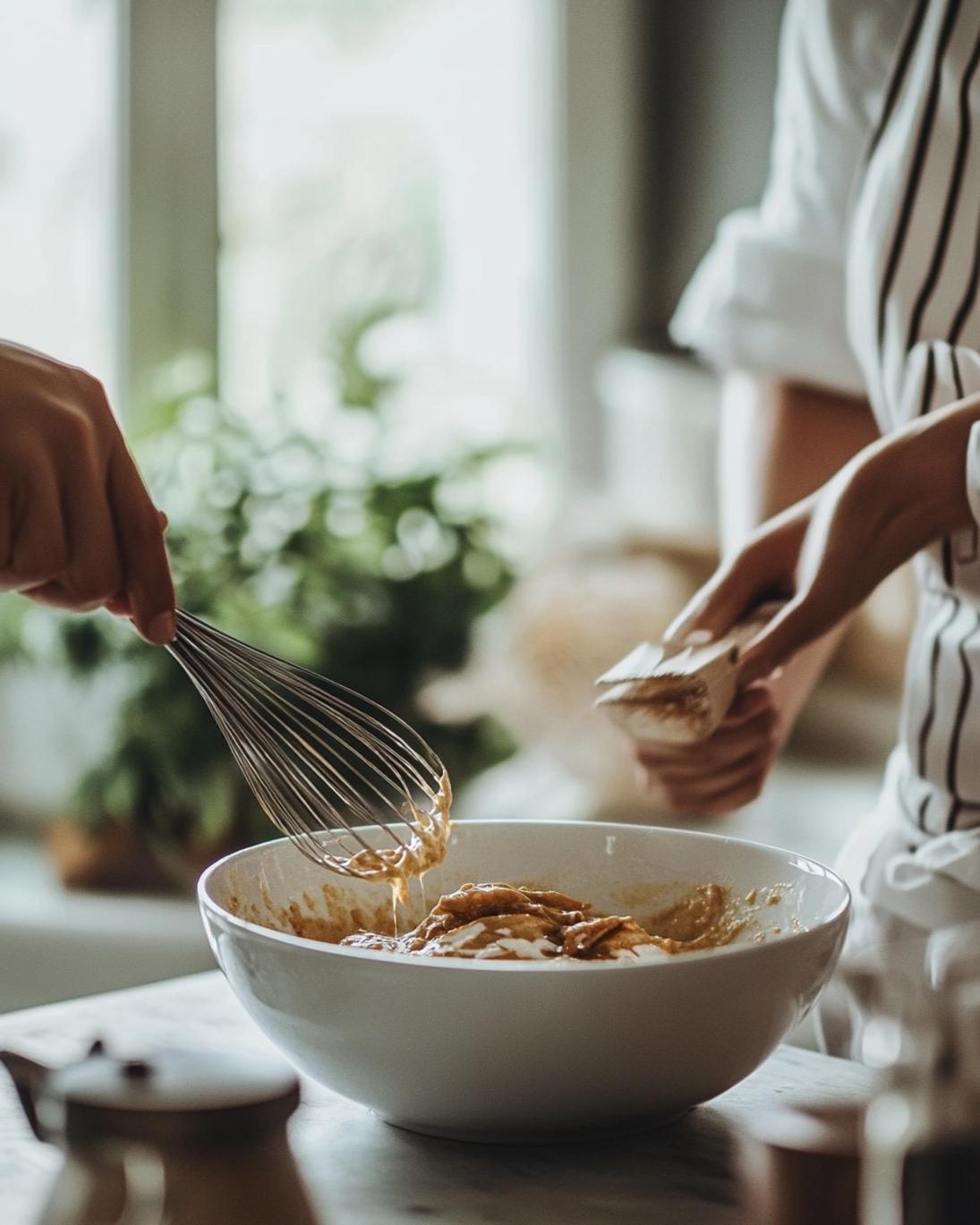
In a medium bowl, combine the red curry paste, turmeric powder, ground coriander, ground cumin, brown sugar, fish sauce, soy sauce, lime juice, and coconut milk. Whisk everything together thoroughly until you have a smooth, aromatic blend. This marinade is the soul of your Thai Chicken Satay, so ensure it’s well-integrated.
Preparation Step 3: Marinating the Chicken
Add the sliced chicken strips to the marinade, tossing them gently to ensure every piece is fully coated. Cover the bowl and refrigerate for at least 60 minutes. While 1 hour will infuse plenty of flavor, letting it marinate for up to 4 hours will deepen the taste profile significantly, turning simple chicken into a symphony of Thai spices.
Preparation Step 4: Preparing the Peanut Sauce
While the chicken marinates, prepare your luscious peanut sauce. In a separate bowl, combine the peanut butter, coconut milk, red curry paste, fish sauce, brown sugar, and lime juice. Whisk vigorously until smooth. Gradually add the hot water, a tablespoon at a time, until the sauce reaches your desired dipping consistency. Taste and adjust seasonings – perhaps a pinch more sugar for sweetness or a squeeze of lime for brightness.
Preparation Step 5: Skewering the Chicken
Once marinated, thread the chicken strips onto the pre-soaked bamboo skewers. Aim for 3-4 pieces per skewer, folding them in an accordion style if necessary, to ensure they lie flat and cook evenly. Don’t overcrowd the skewers; air circulation is key for a good sear.
Preparation Step 6: Cooking the Satay
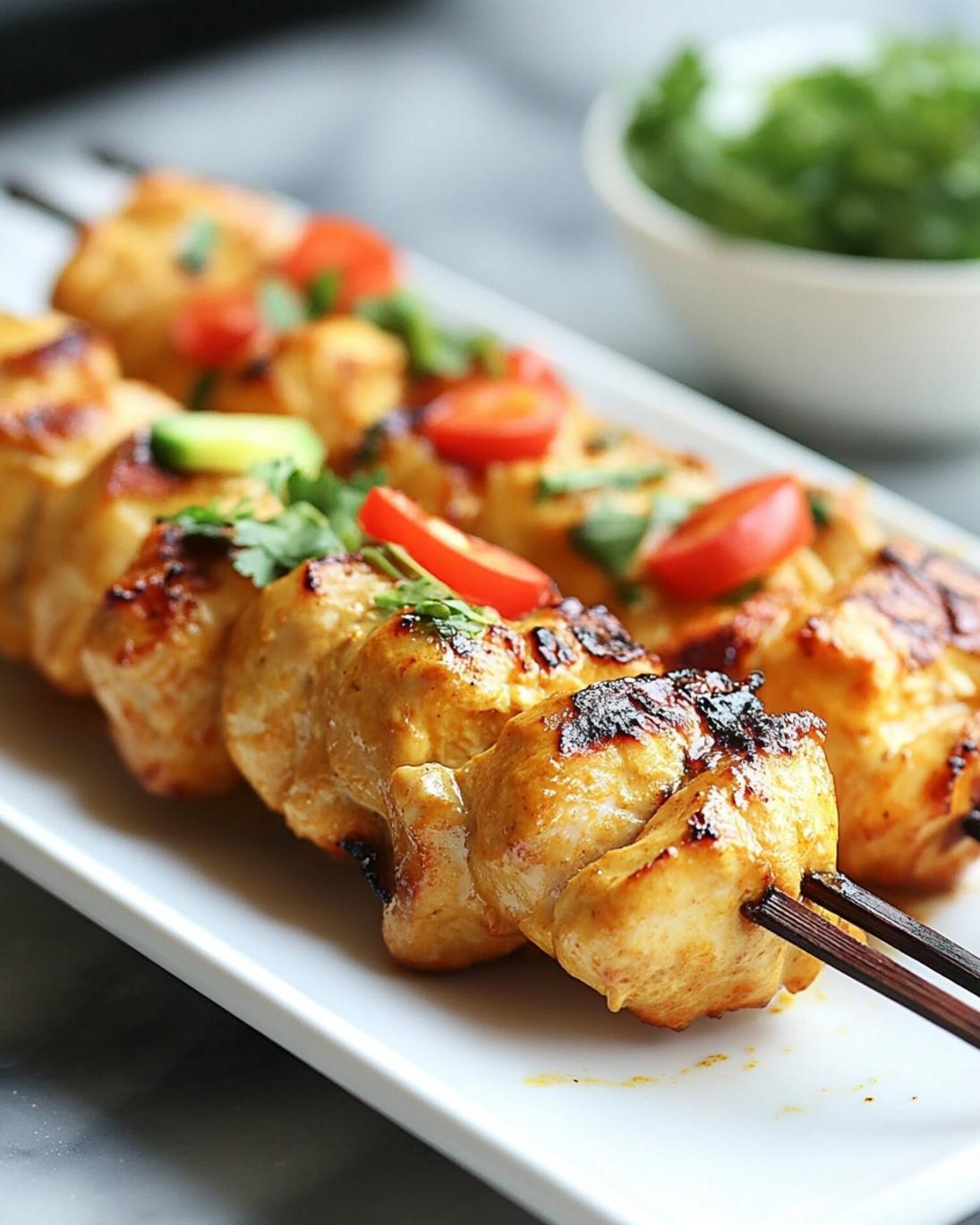
For those who enjoy whipping up delectable snacks for their loved ones, whether human or canine, cooking chicken satay is just as satisfying. Heat a grill pan or outdoor grill to medium-high heat. Lightly oil the grates to prevent sticking. Place the skewers on the hot surface and cook for 2-3 minutes per side, or until the chicken is golden brown, cooked through, and reaches an internal temperature of 165°F (74°C). Avoid overcooking, as this can lead to dry chicken.
Nutritional Information
A typical serving of Thai Chicken Satay (approximately 3 skewers with a side of peanut sauce) provides significant nutritional value. On average, you can expect around 350-400 calories, with roughly 25-30 grams of protein, essential for muscle repair and satiety. The healthy fats, primarily from the coconut milk and peanut butter in the sauce, contribute about 20-25 grams, while carbohydrates typically range from 15-20 grams, depending on added sugars. This dish is also a good source of vitamins and minerals, including iron from the chicken and zinc from the peanuts, both crucial for immune function. Turmeric, a key spice, is celebrated for its anti-inflammatory properties, adding a health boost to this flavorful meal.
Healthy Alternatives
To lighten your Thai Chicken Satay without sacrificing flavor, consider these healthy alternatives. Swap full-fat coconut milk for light coconut milk in both the marinade and the peanut sauce to reduce saturated fat content by up to 50%. For an extra lean option, use boneless, skinless chicken breast, though be mindful of overcooking. You could also replace some of the brown sugar with a natural sweetener like erythritol or stevia, or simply reduce the amount of sugar overall. For a plant-based twist, marinate firm tofu or tempeh using the same spices and grill until golden – a delicious, high-protein vegetarian option. If you’re a fan of adding a fiery kick to your cooking, consider introducing a touch of finely minced habanero to your marinade—just a tiny bit for flavor, not overwhelming heat.
Serving Suggestions
Thai Chicken Satay is incredibly versatile when it comes to serving. For a traditional presentation, serve the skewers alongside a small bowl of the creamy peanut sauce, garnished with chopped roasted peanuts and a fresh lime wedge. A classic accompaniment is a crisp cucumber salad, offering a refreshing contrast to the rich satay. Steamed jasmine rice or brown rice makes for a satisfying side, soaking up any extra sauce. For a lighter meal, consider serving the satay over a bed of mixed greens with a light vinaigrette. You could also transform it into a vibrant bowl by adding cooked quinoa, shredded carrots, and red cabbage. A sprinkle of fresh cilantro or mint leaves before serving adds a burst of freshness and visual appeal, elevating the dining experience.
Common Mistakes to Avoid
One of the most frequent errors in preparing Thai Chicken Satay is not marinating the chicken long enough. Insufficient marination, less than 60 minutes, often results in bland chicken that lacks the deep, aromatic flavors characteristic of satay. Another common pitfall is overcooking the chicken. Chicken thighs are forgiving, but grilling for too long will dry them out and make them tough. Aim for an internal temperature of 165°F (74°C). Additionally, using a peanut butter with added sugars or unhealthy oils for the peanut sauce can drastically alter the authentic taste and texture. Always opt for natural, unsweetened peanut butter. Lastly, skipping the step of soaking the bamboo skewers inevitably leads to charred and brittle skewers, making them difficult to handle and detracting from the dish’s overall presentation.
Storage Tips
To enjoy your Thai Chicken Satay leftovers efficiently or to prep ahead, proper storage is key. Cooked chicken satay skewers can be stored in an airtight container in the refrigerator for up to 3-4 days. For best results, separate the chicken from the peanut sauce. The peanut sauce can also be stored in a separate airtight container in the fridge for up to 5 days. When reheating the chicken, a quick pan-fry or a few minutes in a moderate oven (350°F / 175°C) will help retain moisture and tenderness. Avoid microwaving, as it can make the chicken rubbery. If portioning for meal prep, consider making the sauce a day or two in advance, as its flavors often deepen with time. Freezing is also an option; both cooked chicken and peanut sauce can be frozen separately for up to 2-3 months. Thaw overnight in the refrigerator before reheating. For those who appreciate planning ahead for delicious baked goods, incorporating these storage techniques into your baking routine will extend the life of your creations.
Conclusion
Mastering the Thai Chicken Satay Recipe at home is an incredibly rewarding culinary journey. From the vibrant, turmeric-infused marinade to the rich, creamy peanut sauce, every element contributes to a dish that is both authentic and deeply satisfying. This guide has provided you with the precise steps, expert tips, and essential insights to transform simple chicken into an unforgettable Thai feast. Don’t hesitate to embark on this flavorful adventure; your taste buds will thank you! We encourage you to try this recipe, experiment with the healthy alternatives, and share your culinary creations with us. What’s your favorite part of making satay? Let us know in the comments below!
FAQ
Q: Can I use chicken breast instead of thighs?
A: Yes, you can use boneless, skinless chicken breast. However, chicken thighs tend to remain more moist and flavorful during grilling. If using breast, be extra careful not to overcook it.
Q: How long should I soak the bamboo skewers?
A: Soak bamboo skewers in water for at least 30 minutes, and ideally up to an hour, to prevent them from burning on the grill.
Q: Can I make the peanut sauce in advance?
A: Absolutely! The peanut sauce can be prepared up to 5 days in advance and stored in an airtight container in the refrigerator. Its flavors often deepen over time.
Q: What if I don’t have red curry paste?
A: While red curry paste offers the most authentic flavor, you could substitute with yellow curry paste for a milder profile, or even a mix of ground ginger, garlic, and chili powder if curry paste is unavailable. Adjust quantities to taste.
Q: How can I make this recipe spicier?
A: To increase the heat, add more red curry paste to both the marinade and the peanut sauce. You can also incorporate a pinch of dried chili flakes or a finely minced fresh chili into the sauce.
Q: Is this recipe gluten-free?
A: This recipe can be made gluten-free by ensuring your fish sauce and soy sauce are certified gluten-free. Most other ingredients are naturally gluten-free.
Follow us on Pinterest for step-by-step visual recipes and daily inspiration