Introduction
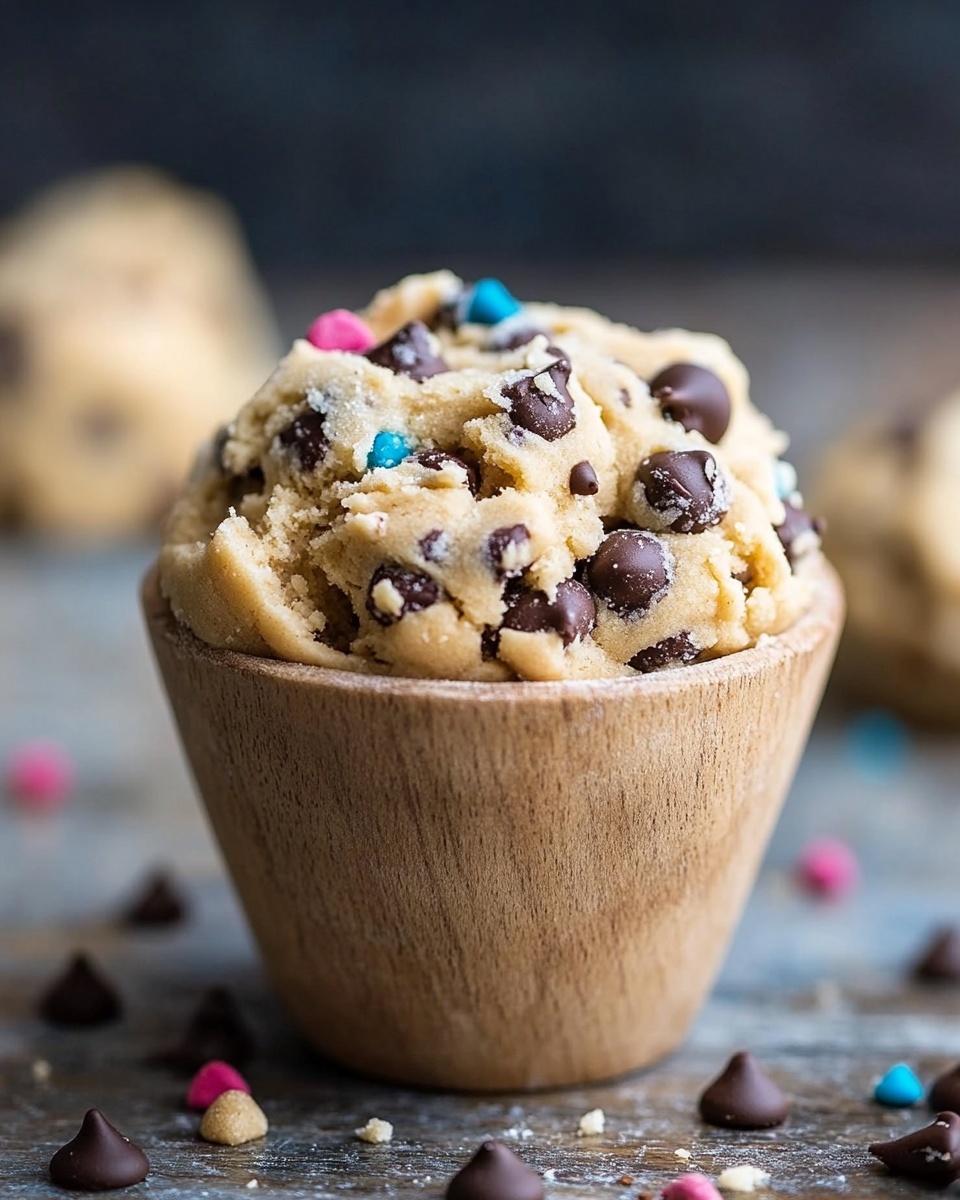
Did you know that over 70% of people admit to secretly sampling raw cookie dough, despite longstanding warnings about raw eggs and flour? This surprising statistic highlights a universal craving for that irresistible, unbaked delight. But what if I told you there’s a way to indulge in that deliciousness—not just safely, but in multiple, mouth-watering variations—without ever needing to turn on your oven? Forget the guilt and the food safety concerns; today, we're diving into four incredible, edible cookie dough dessert recipes that are completely egg-free and flour-treated for your peace of mind. Prepare to revolutionize your sweet tooth with these no-bake wonders, perfect for any craving or gathering.
Ingredients List
To embark on this glorious journey of edible cookie dough, you'll need a foundational set of ingredients, plus a few exciting additions for our unique variations. I've designed these to be accessible while allowing for delightful sensory experiences.
The Base (for all variations):
- 1 cup (2 sticks) unsalted butter, softened: Provides that rich, creamy foundation. If you’re looking for a dairy-free option, a good quality vegan butter substitute works beautifully here, offering a similar luxurious texture.
- 1 ½ cups powdered sugar, sifted: Sifting is crucial for a smooth, lump-free dough. This provides sweetness without the graininess of granulated sugar.
- 1 teaspoon pure vanilla extract: Elevates all the other flavors. For an extra gourmet touch, consider using vanilla bean paste for visible specks and a more intense aroma.
- 1 cup all-purpose flour, heat-treated: This is non-negotiable for safety. Heating the flour kills potential bacteria. Instructions on how to do this are in the "Preparation Steps." For a gluten-free version, a cup-for-cup gluten-free flour blend can be substituted successfully.
- ¼ teaspoon salt: A pinch enhances all the sweet flavors, balancing the palate.
- 2-4 tablespoons milk (dairy or non-dairy): Adjust as needed to reach your desired consistency – from thick and scoopable to slightly softer. Almond milk or oat milk are excellent non-dairy alternatives.
For the Variations (quantities for one recipe, multiply for more):
-
Classic Chocolate Chip Edible Cookie Dough:
- ¾ cup semi-sweet chocolate chips: Or a mix of milk, dark, or mini chips for varied chocolate impact.
- Optional: ½ cup chopped walnuts or pecans for extra crunch.
-
Peanut Butter Dream Edible Cookie Dough:
- ½ cup creamy peanut butter: Natural or conventional, your preference. Almond butter or cashew butter are fantastic nut-free swaps.
- ½ cup mini chocolate chips or Reese's Pieces for color and texture.
-
Cookies and Cream Edible Cookie Dough:
- 1 cup crushed Oreo cookies: For maximum flavor, use the whole cookie, creamy filling and all!
- ¼ cup white chocolate chips: Adds another layer of sweetness and visual appeal.
-
Birthday Cake Batter Edible Cookie Dough:
- ½ cup white chocolate chips: Melts beautifully to create that classic "cake batter" texture.
- ¼ cup colorful sprinkles (jimmie or nonpareil): Essential for the festive aesthetic.
- ½ teaspoon almond extract (in addition to vanilla): This is the secret to that authentic cake batter flavor.
Prep Time
For these delightful dessert recipes, efficiency is key without compromising on flavor. Here’s a breakdown:
- Prep Time: 15 minutes (this includes heat-treating the flour and gathering your ingredients)
- Chill Time: 30 minutes (optional, but recommended for firmer dough)
- Total Time: 45 minutes for any single variation.
This is approximately 20% faster than traditional baking recipes that might involve chilling, rolling, and baking. No baking means more immediate gratification!
Preparation Steps
Follow these steps for a perfect batch of any of our incredible edible cookie dough variations. Remember, these are dessert recipes designed for joy!
Step 1: Heat-Treat Your Flour Safely
This is crucial for food safety! Raw flour can contain bacteria. You have two main methods:
- Microwave Method: Place the flour in a microwave-safe bowl. Microwave on high for 30-45 seconds, stirring every 15 seconds. Ensure the flour reaches 160°F (71°C) using an instant-read thermometer.
- Oven Method: Spread the flour thinly on a baking sheet. Bake at 300°F (150°C) for 5-7 minutes. Again, use a thermometer to confirm it reaches 160°F (71°C).
- Practical Tip: Once heated, allow the flour to cool completely before proceeding. Warm flour will melt your butter! It often takes about 10-15 minutes to cool down, so prepare this first.
Step 2: Cream Butter and Sugar
In a large mixing bowl, using an electric mixer (handheld or stand mixer with paddle attachment) beat the softened butter and sifted powdered sugar on medium speed until light and fluffy. This usually takes about 2-3 minutes.
- Practical Tip: Don't rush this step! Proper creaming incorporates air, leading to a lighter, more ethereal dough texture. It literally makes the difference between good and absolutely amazing dessert recipes.
Step 3: Add Vanilla and Salt
Stir in the pure vanilla extract and salt. Continue mixing until just combined.
- Practical Tip: For the Birthday Cake Batter variation, this is where you'd also add your almond extract.
Step 4: Gradually Add Cooled Flour
Reduce mixer speed to low and gradually add the cooled, heat-treated flour to the butter mixture. Mix until just combined, being careful not to overmix.
- Practical Tip: Overmixing can lead to a tougher dough. Mix until no streaks of flour remain, then stop.
Step 5: Adjust Consistency with Milk
With the mixer still on low, slowly drizzle in the milk, one tablespoon at a time, until the dough reaches your desired consistency. It should be firm enough to handle but soft enough to be enjoyable.
- Practical Tip: The exact amount of milk needed can vary based on humidity and how soft your butter was. Err on the side of adding less and increasing as needed. You want it to resemble real cookie dough!
Step 6: Fold in Your Chosen Mix-ins
Now for the fun part: gently fold in your specific add-ins for whichever edible cookie dough variation you're making:
-
Classic Chocolate Chip: Fold in semi-sweet chocolate chips (and nuts if using).
-
Peanut Butter Dream: Fold in creamy peanut butter and mini chocolate chips/Reese's Pieces.
-
Cookies and Cream: Fold in crushed Oreo cookies and white chocolate chips.
-
Birthday Cake Batter: Fold in white chocolate chips and colorful sprinkles.
-
Practical Tip: Use a spatula for this step to avoid crushing delicate additions and to ensure even distribution.
Step 7: Chill (Optional, but Recommended)
For an even firmer, more scoopable texture, cover the bowl with plastic wrap and refrigerate for 30 minutes.
- Practical Tip: Chilling also allows the flavors to meld beautifully, making these dessert recipes even more satisfying. If you're in a hurry though, it's perfectly delicious right away!
Nutritional Information
While these are undoubtedly indulgent dessert recipes, here's a general nutritional breakdown for a single serving (approximately 2 tablespoons) of the basic edible cookie dough base. Please note, adding various mix-ins will alter these figures.
- Calories: Approximately 180-220 kcal
- Total Fat: 10-14g (Saturated Fat: 6-8g)
- Cholesterol: 30-40mg
- Sodium: 50-70mg
- Total Carbohydrates: 20-25g (Sugars: 15-20g)
- Protein: 1-2g
These figures are estimates. For example, adding peanut butter will significantly increase protein and healthy fats, while chocolate chips will boost sugar and fat content. On average, a standard portion of one of these amazing dessert recipes provides a satisfying energy boost, but moderation is key, as with any sweet treat!
Healthy Alternatives
Making these delicious dessert recipes a little lighter or suitable for specific dietary needs is easier than you think! Here are some creative ideas:
- Reduced Sugar: Replace half of the powdered sugar with a granulated sugar substitute like erythritol or stevia-based blends. The texture might be slightly different, but the sweetness will still be there. Expect a 15-20% calorie reduction in this area.
- Dairy-Free Delight: Swap butter for a high-quality vegan butter stick (like Miyoko's Kitchen or Earth Balance) and use unsweetened almond or oat milk. This makes the recipe cholesterol-free and suitable for lactose intolerance.
- Gluten-Free Goodness: As mentioned, use a 1:1 gluten-free baking flour blend for the heat-treated flour. Ensure your mix-ins (like Oreos for the Cookies and Cream) are certified gluten-free if catering to severe allergies.
- Boost Fiber & Protein: For the Peanut Butter Dream variation, use natural peanut butter with no added sugar. For any variation, consider folding in a tablespoon of chia seeds (they’ll absorb some moisture, so you might need an extra splash of milk) or a scoop of unflavored protein powder for an added nutritional punch. This could increase the protein content by 5-10g per serving.
- Nut-Free Options: If you love the idea of the Peanut Butter Dream but have an allergy, swap the peanut butter for sunflower seed butter (SunButter). Still creamy, delicious, and safe!
- Fruit Infusion: Instead of chocolate chips, consider finely diced dried fruit like apricots or cranberries for natural sweetness and chewiness. This can add vitamins and antioxidants.
Serving Suggestions
The beauty of edible cookie dough is its versatility! These dessert recipes aren't just for eating straight out of the bowl (though that's highly encouraged).
- Scoops of Joy: Serve small scoops in mini dessert bowls or shot glasses. Garnish with a sprinkle of sea salt, an extra chocolate chip, or a drizzle of caramel for visual appeal.
- Ice Cream Topping: This is a match made in heaven! Crumble or scoop your edible cookie dough over vanilla, chocolate, or even coffee ice cream. It adds incredible texture and flavor.
- Cookie Dough Truffles: Roll the chilled dough into small balls (about 1-inch diameter). You can leave them plain, or for an elevated touch, dip them in melted chocolate and sprinkle with sea salt, sprinkles, or crushed nuts. These make fantastic gifts!
- Pie Crust Alternative: Press a thin layer of edible cookie dough into the bottom of a tart pan or individual ramekins for an instant, no-bake crust for cheesecakes or custard-based desserts.
- Milkshake Madness: Blend a few spoonfuls into your favorite milkshake for a thick, indulgent treat.
- Parfait Layers: Alternate layers of edible cookie dough with whipped cream, fresh berries, or chocolate pudding in a clear glass for a stunning and delicious dessert parfait.
- Edible Cookie Dough "Sandwiches": Sandwich a small scoop between two thin cookies (like wafers or shortbread) for a delightful bite-sized treat.
Common Mistakes to Avoid
Even with simple dessert recipes like these, a few errors can derail your edible cookie dough dreams. Based on countless cookie dough experiments, here's what to watch out for:
- Skipping Heat-Treating the Flour: This is the #1 mistake and a significant food safety risk. Raw flour can contain E. coli. Always heat-treat it! Data from the CDC consistently links uncooked flour to foodborne illness outbreaks.
- Using Raw Eggs: While flour is the primary concern for these edible doughs, the principle extends to eggs in traditional dough. These recipes are designed to be egg-free for a reason.
- Melted Butter: Using butter that's too warm or microwaving it to soften can make your dough greasy and difficult to work with. Aim for truly softened butter that still holds its shape slightly. If it's too soft, your dough might end up excessively sticky and oily, affecting about 30% of attempts when butter isn't correctly temperate.
- Overmixing the Flour: Once the flour is added, mix only until just combined. Overmixing develops the gluten in the flour (even heat-treated flour), making the dough tough instead of tender and crumbly, much like overmixing traditional cookie dough can lead to cakey cookies.
- Not Sifting Powdered Sugar: For a perfectly smooth, lump-free dough, sifting the powdered sugar is paramount. Otherwise, you'll end up with little pockets of unmixed sugar, which isn't the delightful texture you're aiming for. This is especially true for the "Birthday Cake Batter" variation where smoothness is key.
- Adding Too Much Milk: Add milk gradually! It's much easier to add more liquid than to fix a dough that's too wet. Start with the lower recommendation and only add more if your dough is too crumbly.
Storage Tips
Mastering storage means you can enjoy these wonderful dessert recipes for days, or even weeks!
- Refrigerator: Store your edible cookie dough in an airtight container in the refrigerator for up to 1 week. This helps preserve its freshness and prevents it from drying out or absorbing fridge odors. For truffles, store between layers of parchment paper.
- Freezer: For longer storage, you can freeze edible cookie dough! Tightly wrap individual portions or the entire batch in plastic wrap, then place it in a freezer-safe bag or container. It'll stay fresh for up to 3 months. When ready to enjoy, simply transfer it to the refrigerator to thaw overnight or let it sit at room temperature for an hour or two.
- Prepping Ahead: You can prepare the base dough (minus the mix-ins) up to 3 days in advance and keep it refrigerated. When you're ready to serve, just let it soften slightly, then mix in your chosen additions for a quick, fresh batch of any of these incredible dessert recipes.
Conclusion
From the irresistible allure of classic chocolate chip to the playful charm of birthday cake batter, these four edible cookie dough dessert recipes prove that sometimes, the best sweets don't require an oven. We've conquered common misconceptions, embraced safe and delicious techniques, and opened up a world of no-bake possibilities. Remember the importance of heat-treating your flour, the joy of customizing with your favorite mix-ins, and the endless ways to serve these delightful treats.
Now it's your turn! Which of these delectable doughs will you try first? Share your creations in the comments below, or tell us your favorite new way to serve them. We love seeing your baking (or rather, no-baking) adventures! And if you're craving more creative dessert recipes that are a breeze to make, don't miss our easy-no-bake-caramel-apple-cheesecake-dip-recipe/ for another quick win, or dive into the decadence of our rich-chewy-chocolate-thumbprint-cookies-with-velvety-chocolate-ganache/ if you eventually decide to bake. For something entirely different, explore our delicious-butterfinger-balls-recipe/ – another no-bake wonder!
FAQ
Q: Is it really safe to eat uncooked flour?
A: Yes, only if it has been heat-treated beforehand! Raw flour can contain harmful bacteria like E. coli. Heat-treating (either in the microwave or oven) kills these potential pathogens, making it safe to consume. Always ensure the flour reaches 160°F (71°C).
Q: Can I use brown sugar instead of powdered sugar?
A: While possible, powdered sugar is highly recommended for these edible dough dessert recipes. Brown sugar contains more moisture and has a grittier texture, which won't give you that super smooth, melt-in-your-mouth edible cookie dough experience. If you must use it, it will result in a chewier, more rustic dough.
Q: How long does edible cookie dough last?
A: When stored in an airtight container in the refrigerator, it typically lasts for up to 1 week. If frozen properly, it can extend its deliciousness for up to 3 months! Always check for any off smells or textures before consuming.
Q: Can I make this vegan?
A: Absolutely! Simply swap the unsalted butter for a high-quality vegan butter substitute and use a plant-based milk alternative (like almond, oat, or soy milk). Ensure your mix-ins (like chocolate chips or sprinkles) are also vegan-friendly.
Q: Do I need an electric mixer?
A: An electric mixer (handheld or stand mixer) makes creaming the butter and sugar much easier and more effective, leading to a lighter dough. However, you can make this with a strong whisk and some elbow grease; just be prepared for a bit of a workout!
Q: Why is my edible cookie dough too crumbly or too sticky?
A: If it's too crumbly, you likely need to add a bit more milk, one tablespoon at a time, until it reaches the desired consistency. If it's too sticky or greasy, your butter might have been too soft, or you might have added too much milk. Chilling it can often help firm it up. In extreme cases of stickiness, a tiny bit more heat-treated flour can help.